
It’s safe to say that listeners often take for granted the amount of painstaking hard work that goes into getting a song recorded. With tracks often ranging between three and five minutes – a relatively short amount of time – it naturally dims just how much of an effort the writing, recording and production process is.
While things have certainly been made easier in the contemporary era thanks to DAWs (digital audio workstation) such as Ableton and Logic speeding up artists’ workflow, presenting a work of art of true brilliance is still by no means a walk in the park.
Even those who make janky, analogue sounding punk records go through a lot to achieve their retro-sounding sonics. Ultimately though, the scope of the trials that artists go through today has been immensely narrowed by the advent of digital technology.
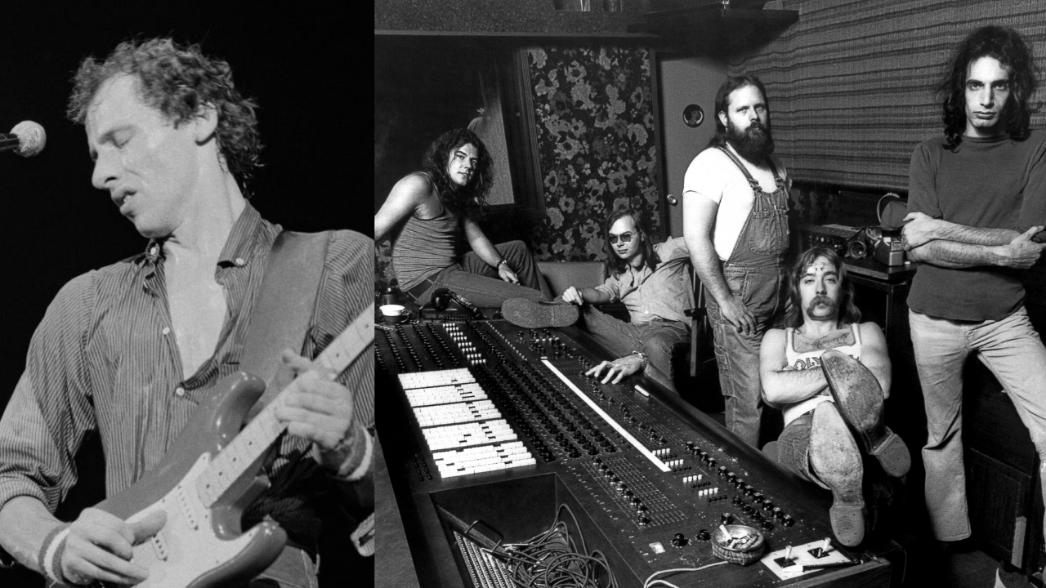
One outfit who could tell fans all about the intricacies and generally Herculean task the recording process was back in the analogue era was Steely Dan. Formed by university friends Donald Fagen and Walter Becker in 1971, the pair were fans of the boundary-pushing sounds of Charlie Parker, experimental rock by the likes of Frank Zappa and The Fugs, and shared a penchant for black comedy.


Together, they sought to form a project that could merge this array of influences into a singular, pithy body.
Given that they are now deemed one of the most influential bands of all time, it’s safe to say that the pair succeeded in their mission, utilising each other’s musical aptitude, and hiring band members of equal prowess.
After finding success with their first few albums, commencing with 1972’s debut, Can’t Buy a Thrill, the pair of perfectionists became obsessed with the recording process and production, and were determined to accomplish the sound that they had originally dreamt up when starting out.
Therefore, in 1974, they retired from touring, got rid of their respected permanent band members, and instead, the pair hired an array of session musicians to help them move closer to the promised land.
By 1978, Fagen and Becker were becoming tired of life in the band, and creatively and personally, the cracks were starting to show. During this period, they worked tirelessly on what became 1980’s final album, Gaucho, their last until they returned two decades later with the aptly titled, Two Against Nature.
Prior to the making of Gaucho, the duo had long since gained notoriety for their obsessive perfectionism, and according to all who were there, their pedantry would reach fever pitch when recording the ‘Hey Nineteen’ record.
Things were so intense that not only would it be the final nail in the coffin for the band, but Fagen and Becker would also crush the spirits of one of the era’s most lauded musicians, Dire Straits frontman and guitarist, Mark Knopfler.
He was hired by the pair to play the six-string on ‘Time Out of Mind’, after they were impressed by his dextrous efforts on the iconic ‘Sultans of Swing’, yet it proved to be a disaster. Unlike the Americans, Knopfler was an autodidact and could not read sheet music, which from the outset set them off on an uneven keel, as musical notation was their long-held methodology.
As the collaboration wore on, Knopfler was ground down by the extensive and quite frankly burdensome sessions that he had heard all about prior to entering the studio. Furthermore, Fagen and Becker also openly criticised his efforts and apparent lack of creative innovation, which was akin to kicking a man when he was down.
Demonstrating the demand of his slavemasters, he recorded over ten hours of work, and only 15 seconds were ultimately used on the record. Understandably, this majorly dented his confidence at a time when it should have been soaring due to the success of his actual band.
“It was a strange experience,” Knopfler damningly recalled. “Like getting into a swimming pool with lead weights tied to your boot.”
When asked about Knopfler’s comments, Becker added: “I think he definitely felt that, because he would play something and it was OK, then we’d like it later.”