
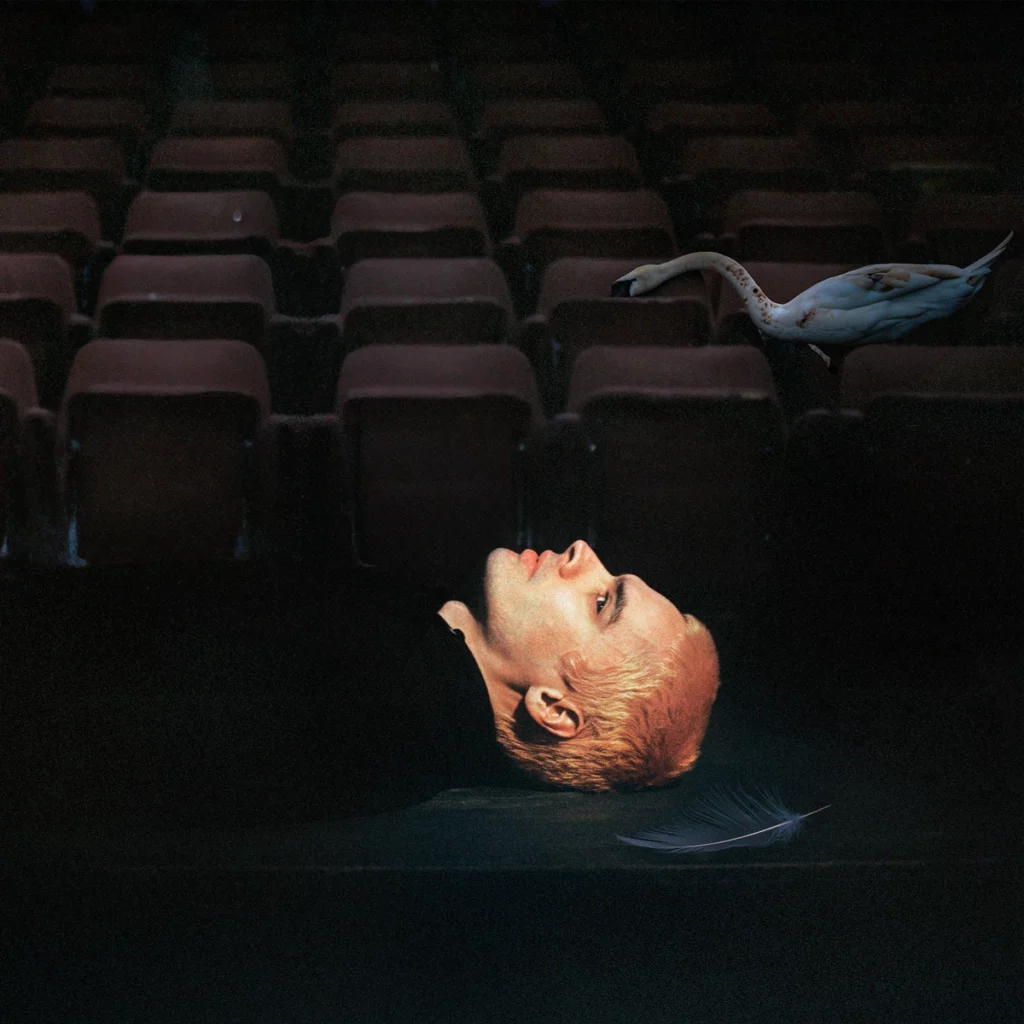
Dennis review | Sega Bodega bares his soul in anti-confessional hit
Sega Bodega, known as Salvador Navarrete, returns with 'Dennis', an album that transforms traditional confession into a complex, textured soundscape unlike any other.
Sega Bodega, known as Salvador Navarrete, returns with 'Dennis', an album that transforms traditional confession into a complex, textured soundscape unlike any other.
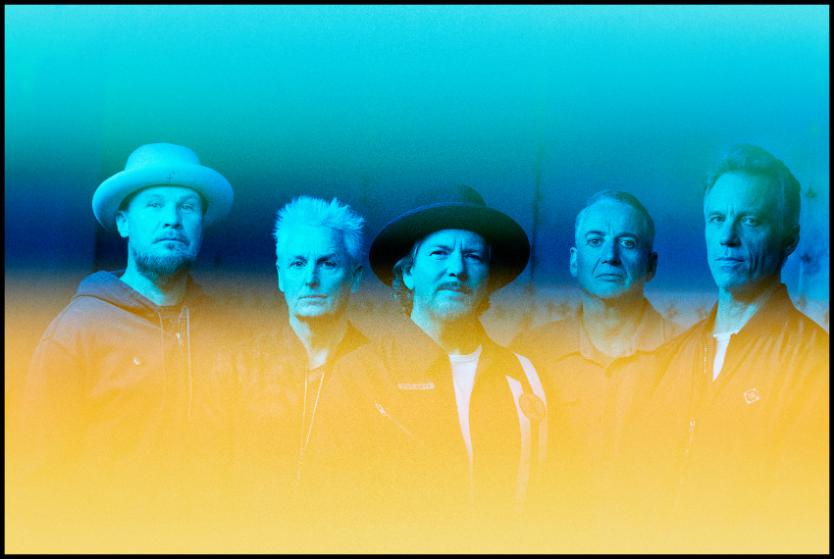
Pearl Jam return with Dark Matter, their twelfth studio album, blending their grunge roots with a fresh sound that resonates with both history and future aspirations.
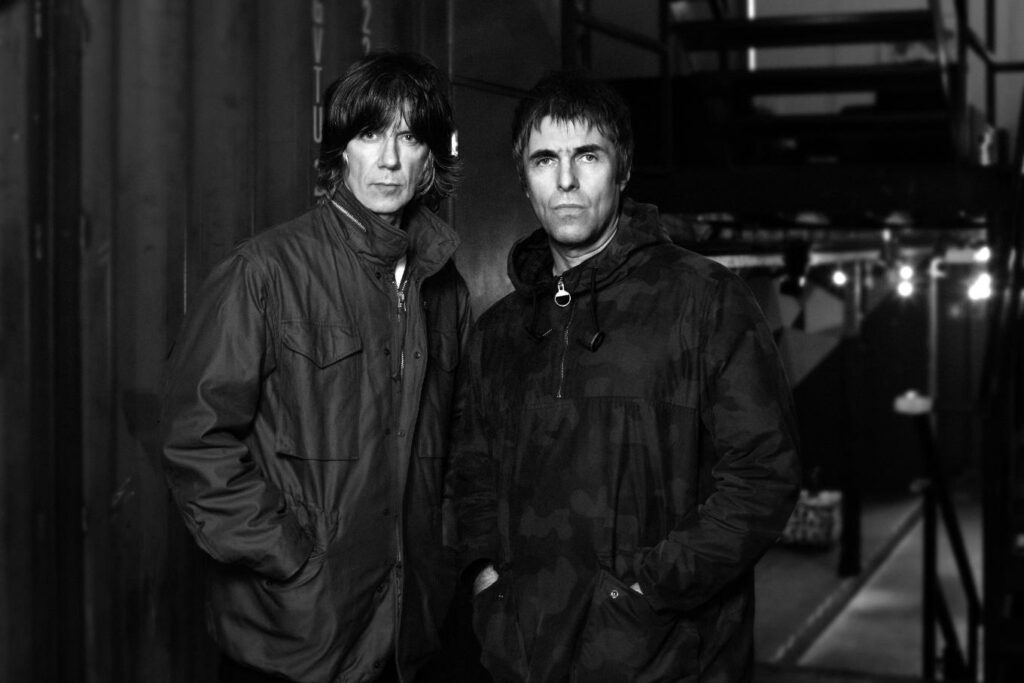
John Squire has got Liam Gallagher singing the blues – and it’s revitalised them both. Here's our review of their Kentish Town Forum gig.

Tigers Blood by Waxahatchee is an observation of the world around Katie Crutchfield, and an ode to her renewed sense of self within it.
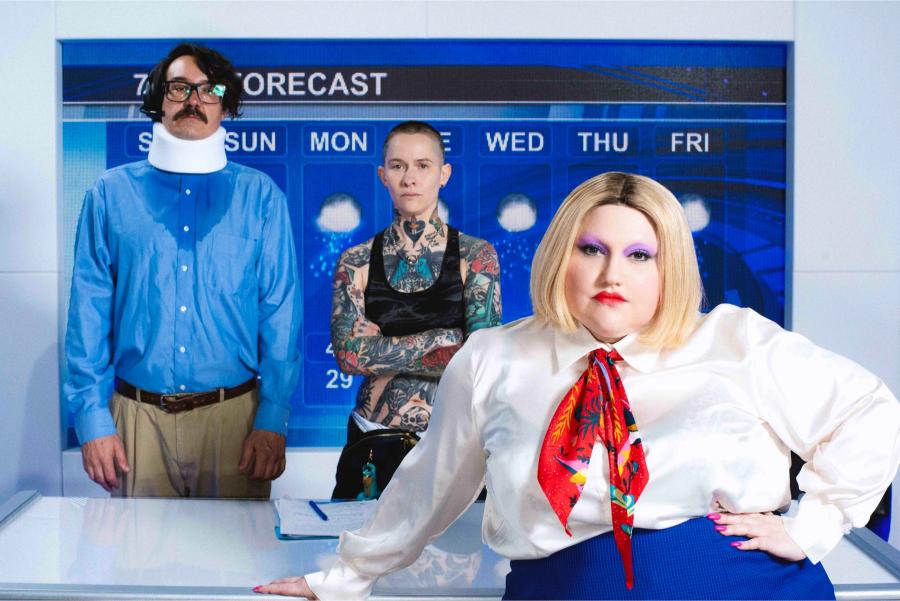
After a 12-year hiatus, dance-punks Gossip have grown up - and so has their music, it's just a shame that means they're a bit less energised on new album Real Power.
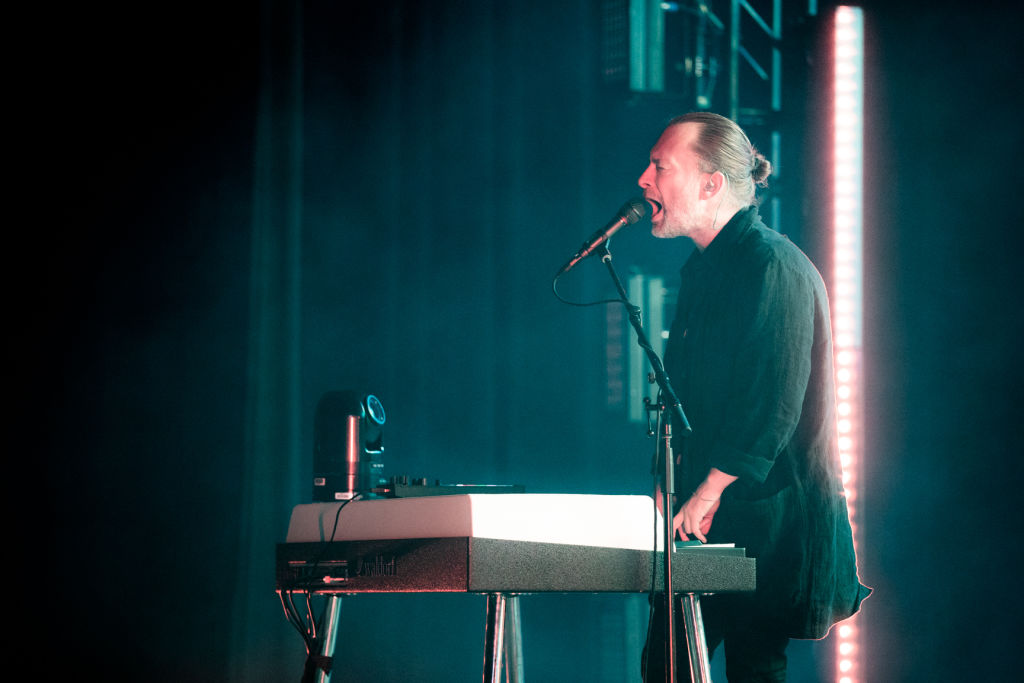
‘The best Radiohead side project’ does The Smile a disservice on account of the swirling alchemy the cosmic trio conjured at the Brighton Centre.
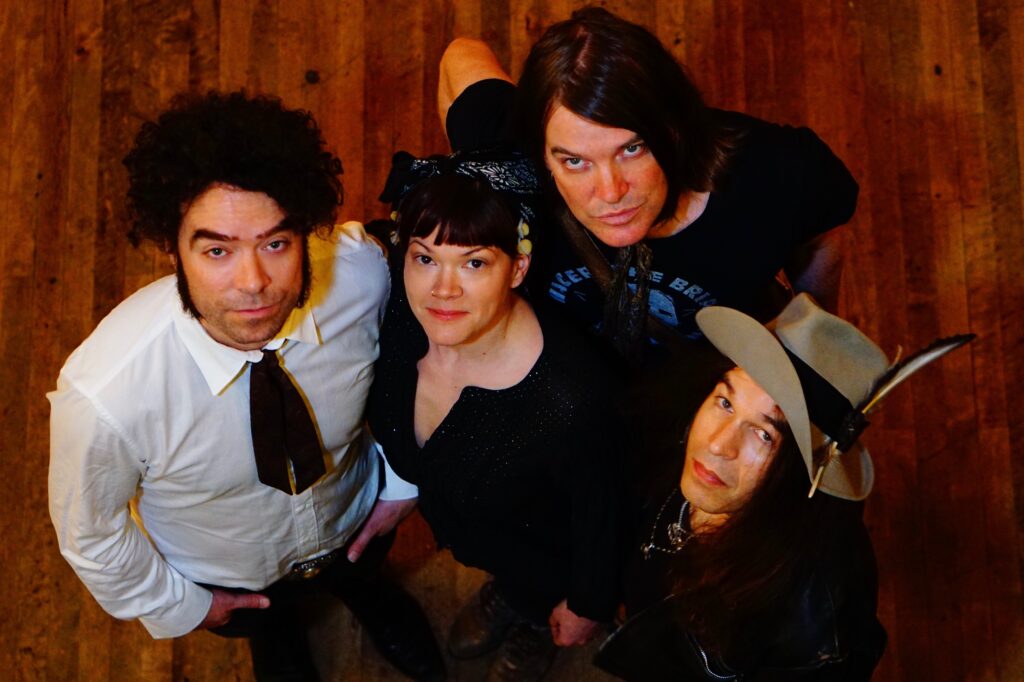
30 years into their career, The Dandy Warhols embrace a darker, brooding edge on 'Rockmaker', proving the old adage wrong with every psychedelic note.
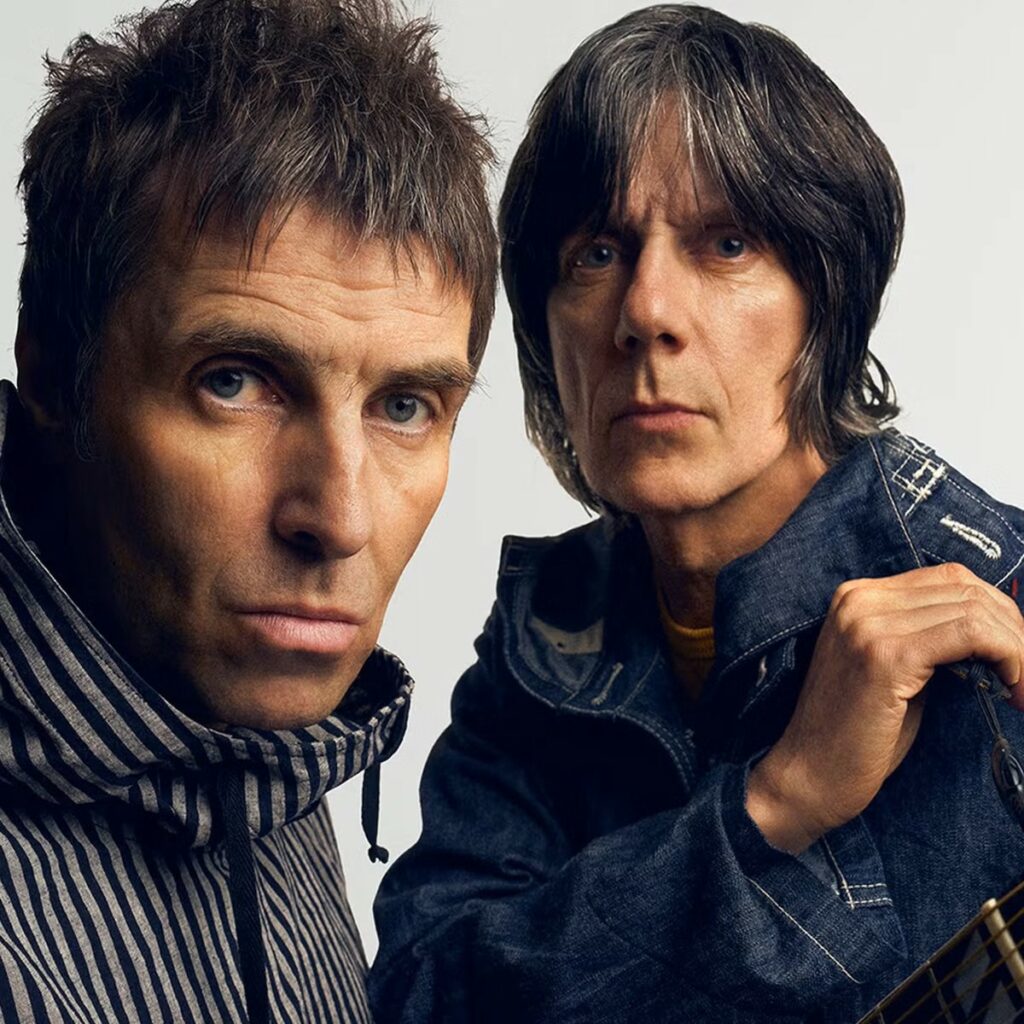
Liam Gallagher and John Squire's collaboration surpasses high expectations, mixing Madchester vibes with psychedelic rock and blues in a stunning debut LP.
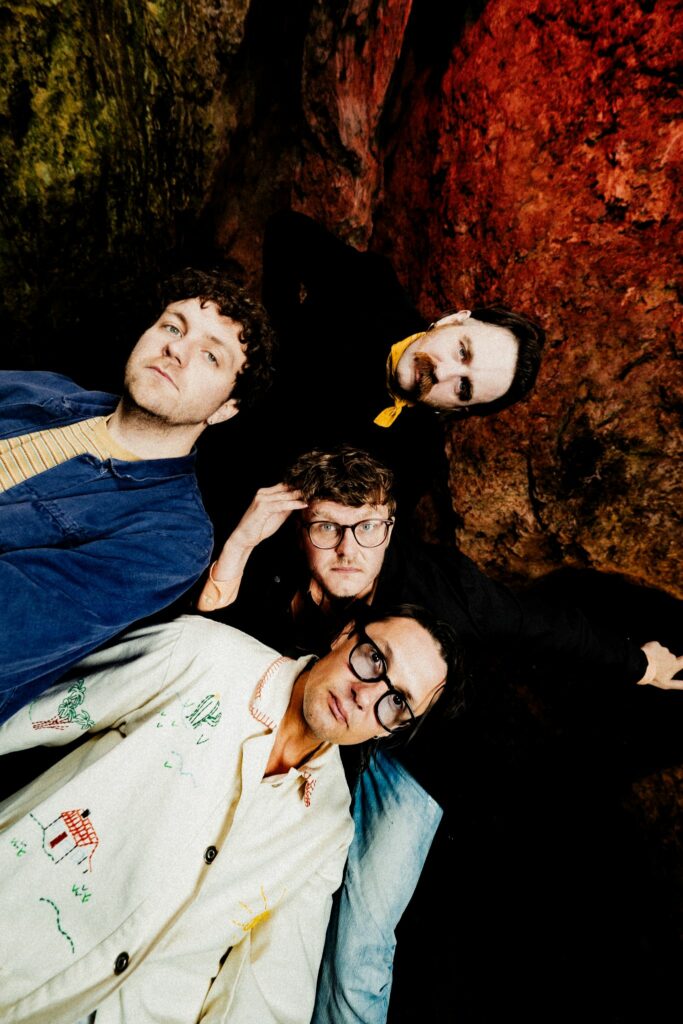
Yard Act leave post-punk behind, chasing dancefloor euphoria in 'Where's My Utopia?', mixing Britpop with funk and self-aware humour in their second album.
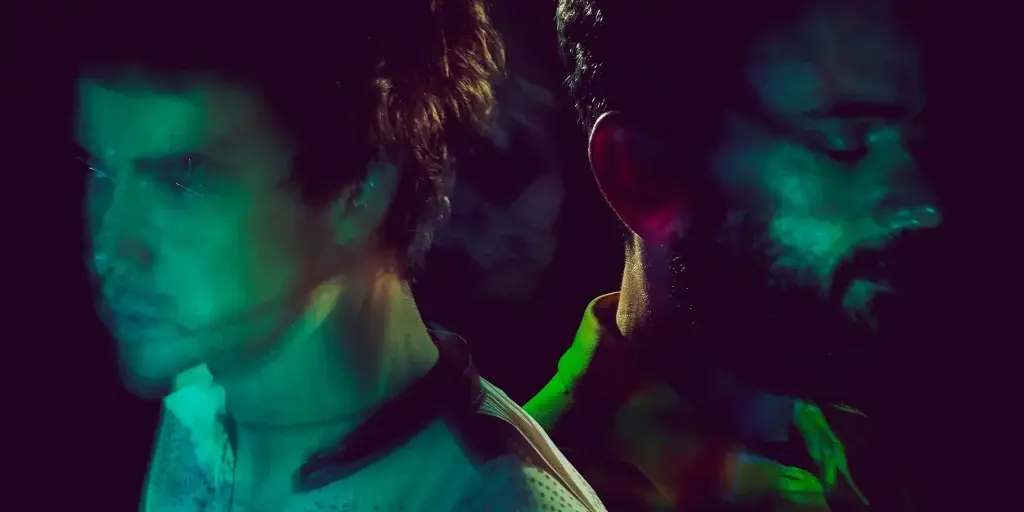
MGMT, the US psych-pop duo previously fled from success after their monumental debut single. 15 years later, TikTok’s thrust them back to prominence, and they respond with gorgeous yet conflicted ideas.

Back from an extended period of downtime, post-punk trio Omni are pumped-up on their punchiest record yet, Souvenir.
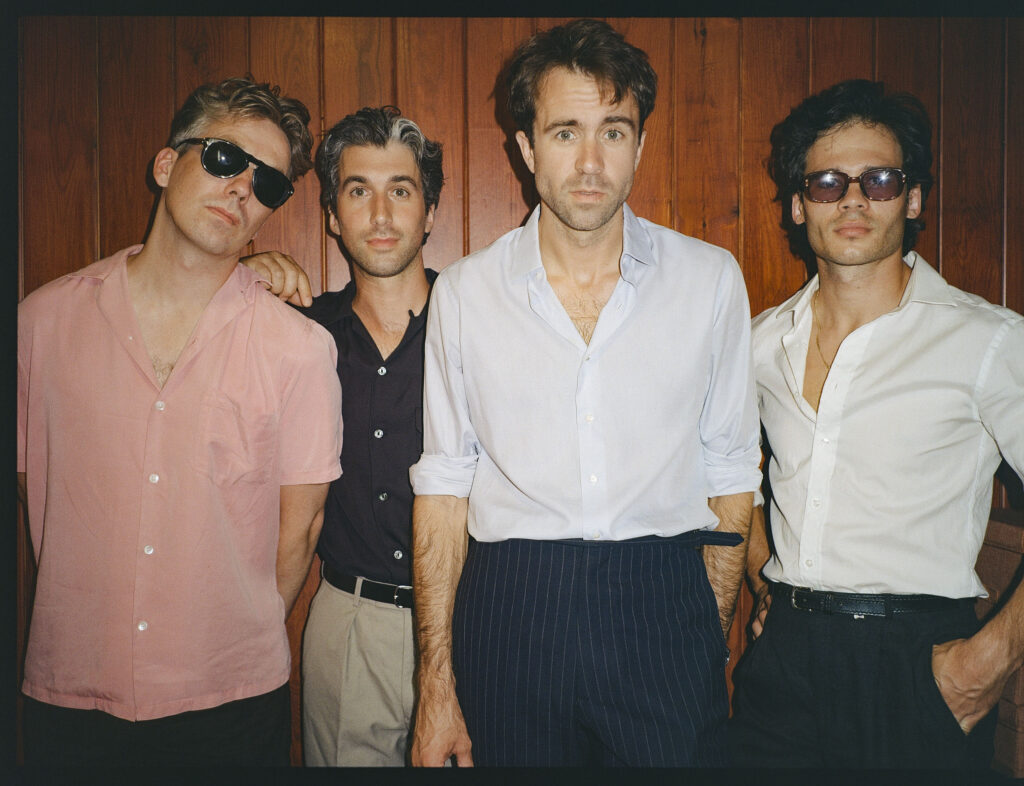
Having long since ‘Come of Age’, some of The Vaccines’ lyrics sound plain weird in 2024. Here's our review of their Margate Dreamland gig.
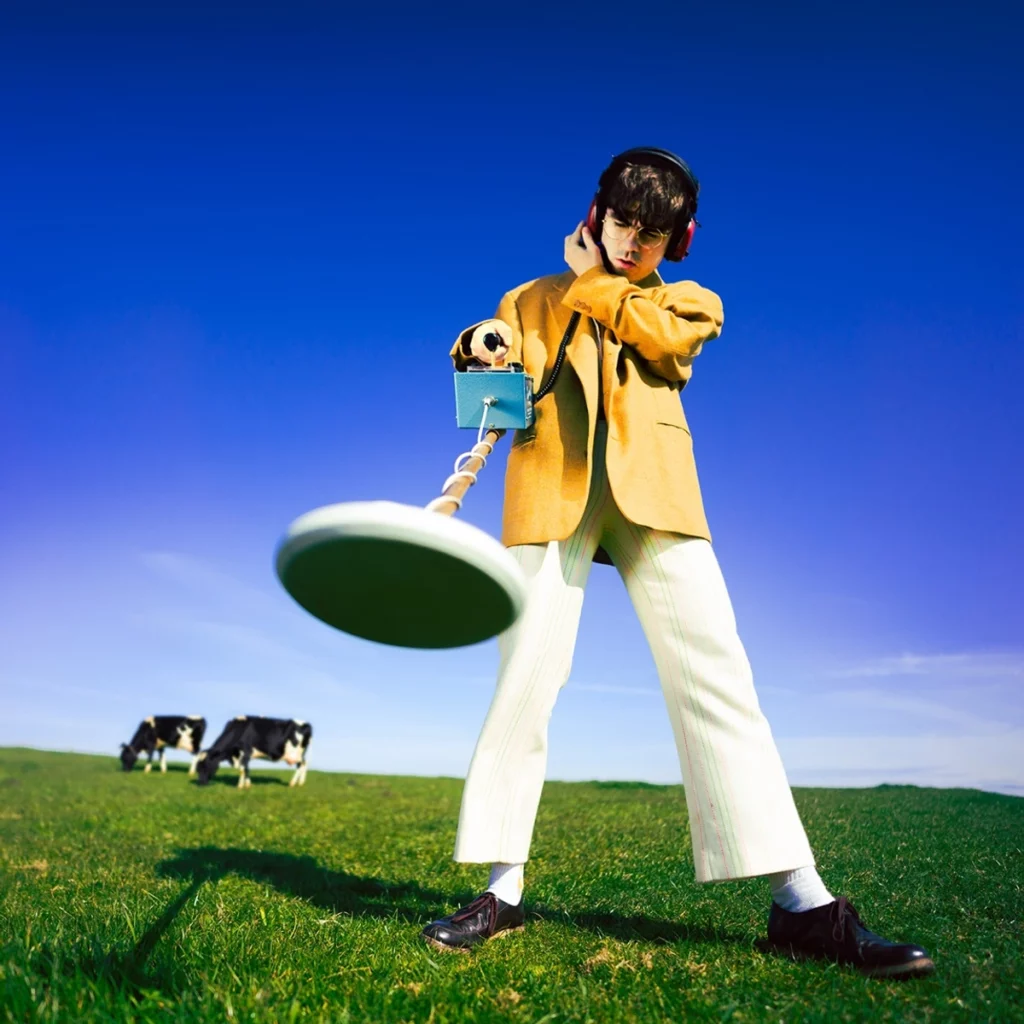
With 'What Happened To The Beach?', Declan McKenna embarks on a new sonic journey, swapping his earlier bombast for subtler, more introspective musical landscapes.

After a transformative return to her native Whitley Bay, L Devine marks a daring departure from pop conventions on 'Digital Heartifacts'.
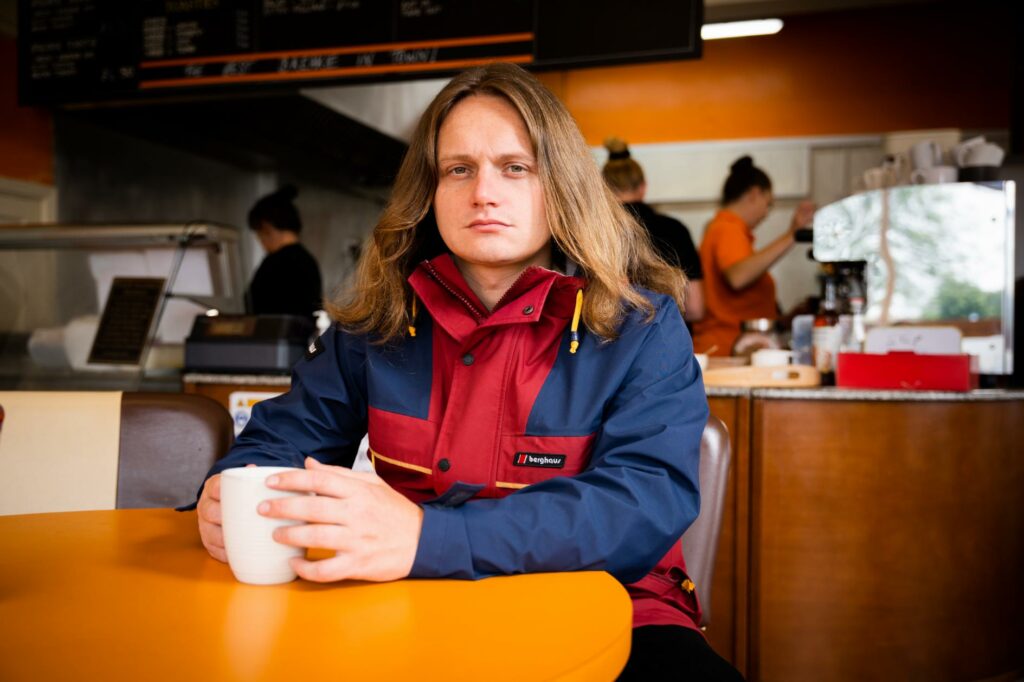
With an acoustic slung over their shoulder and a down/up strumming pattern so devout it could induce RSI, the last decade has seen the emergence of a...
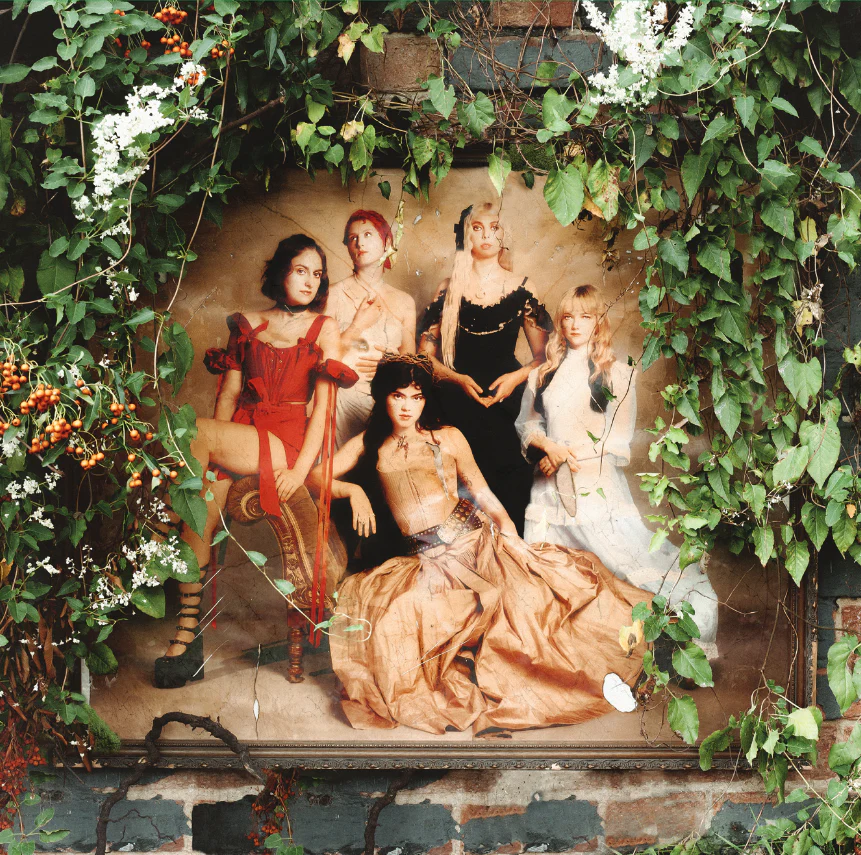
In their debut album ‘Prelude to Ecstacy’, The Last Dinner Party show moments of clarity and honesty that are outshone by chewy cliches.
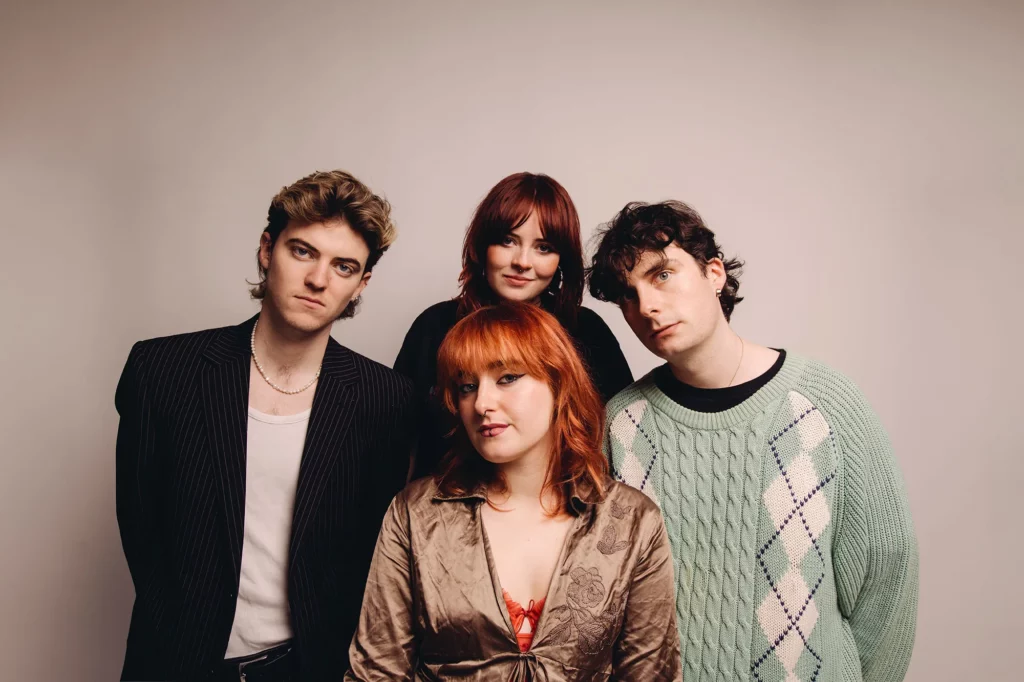
On their incredibly pretty debut album, Galway shoegazers NewDad polish up the foggy sonics as they set sights on stadiums.
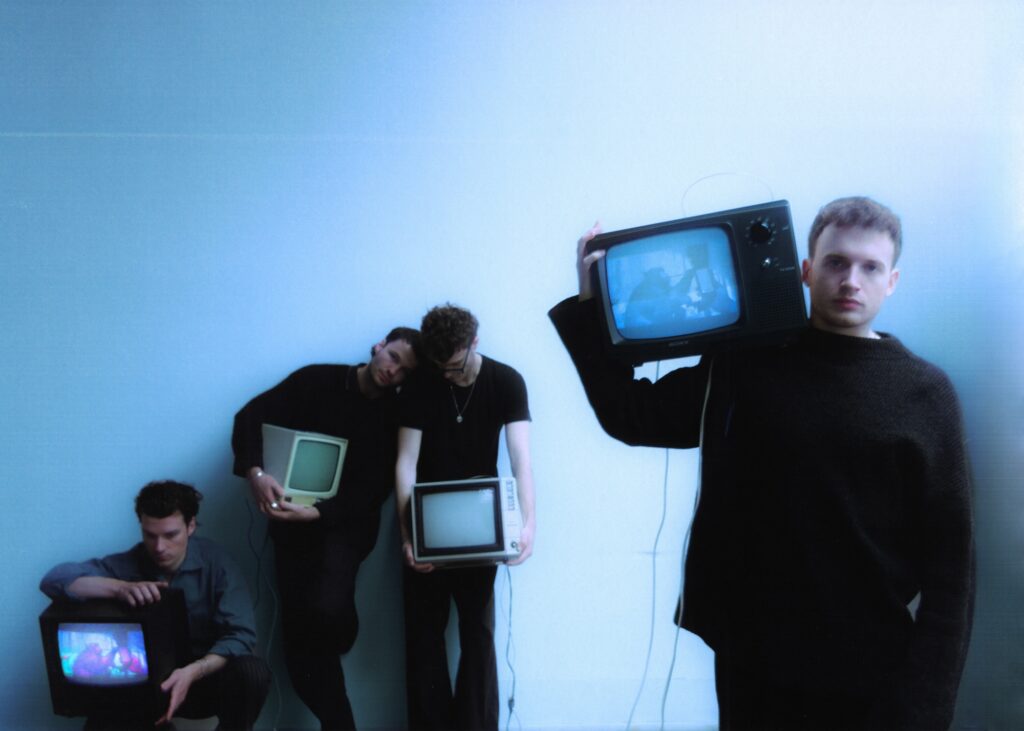
In 'Pools of Colour', Junodream skillfully navigate complex themes with lyrical finesse, setting a high bar for future releases.
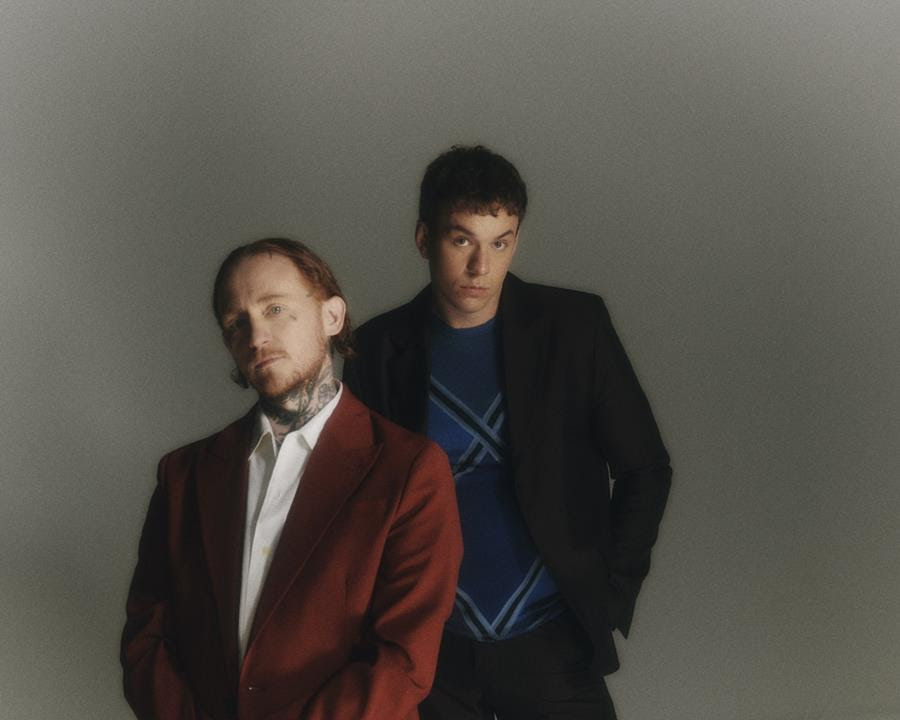
Gone is the snarling punk; 'Dark Rainbow' reveals a new side of Frank Carter, delving into the complexities of love and self-reflection.
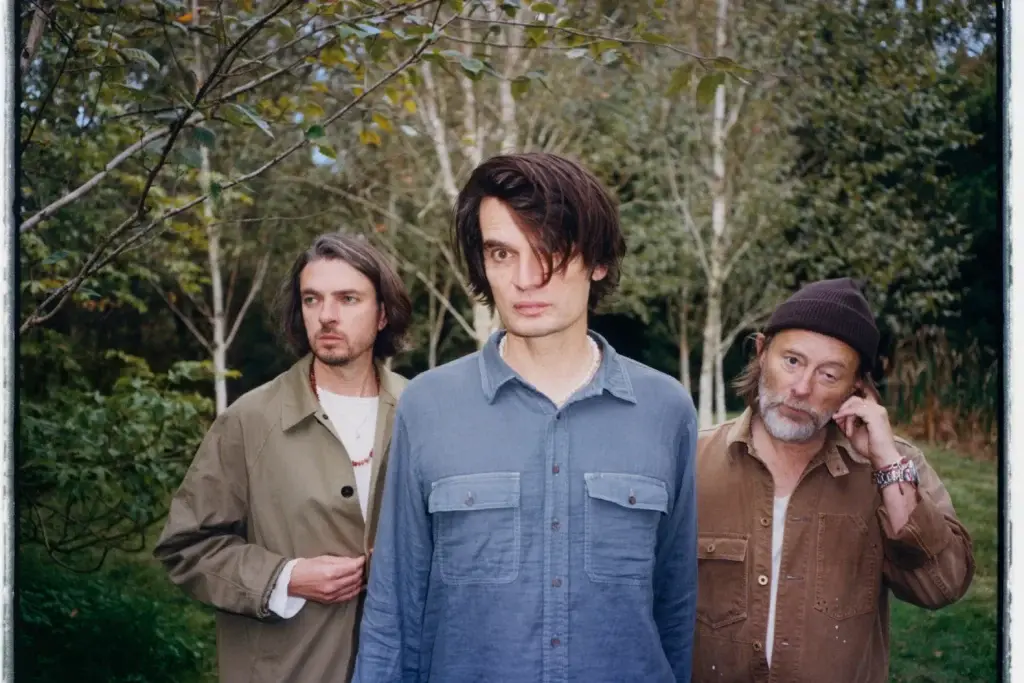
The Smile's 'Wall of Eyes' mixes spindly guitars and hypnotic rhythms, resulting in a record ripe for nocturnal musing.
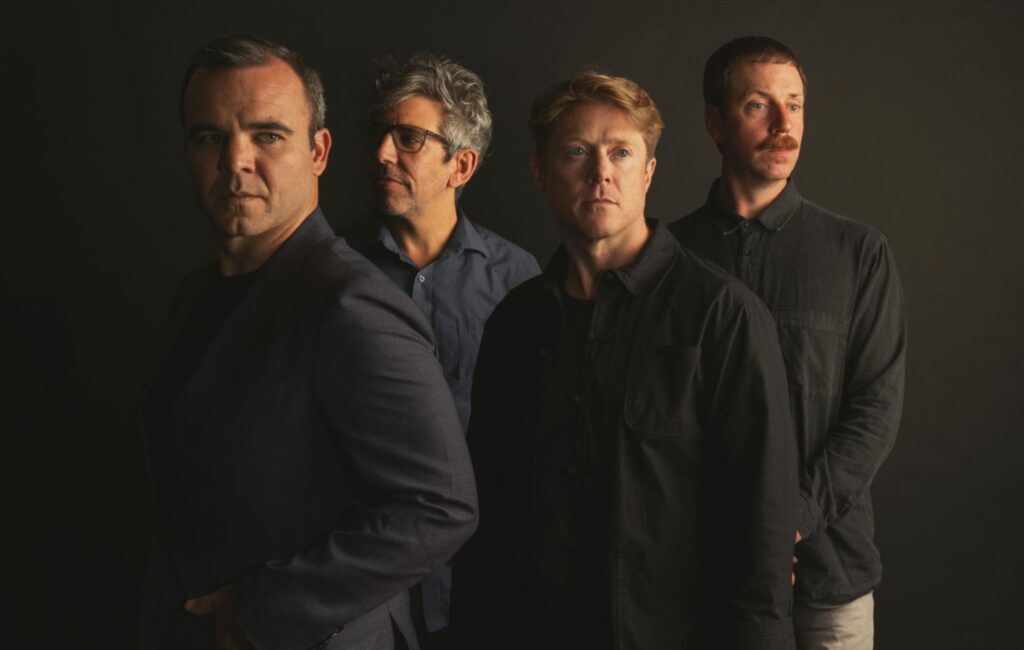
Despite pandemic-era isolation and a breakup defining its lyrics, the seventh album from Future Islands is another comfort blanket of cosy synths and gorgeous vocals.
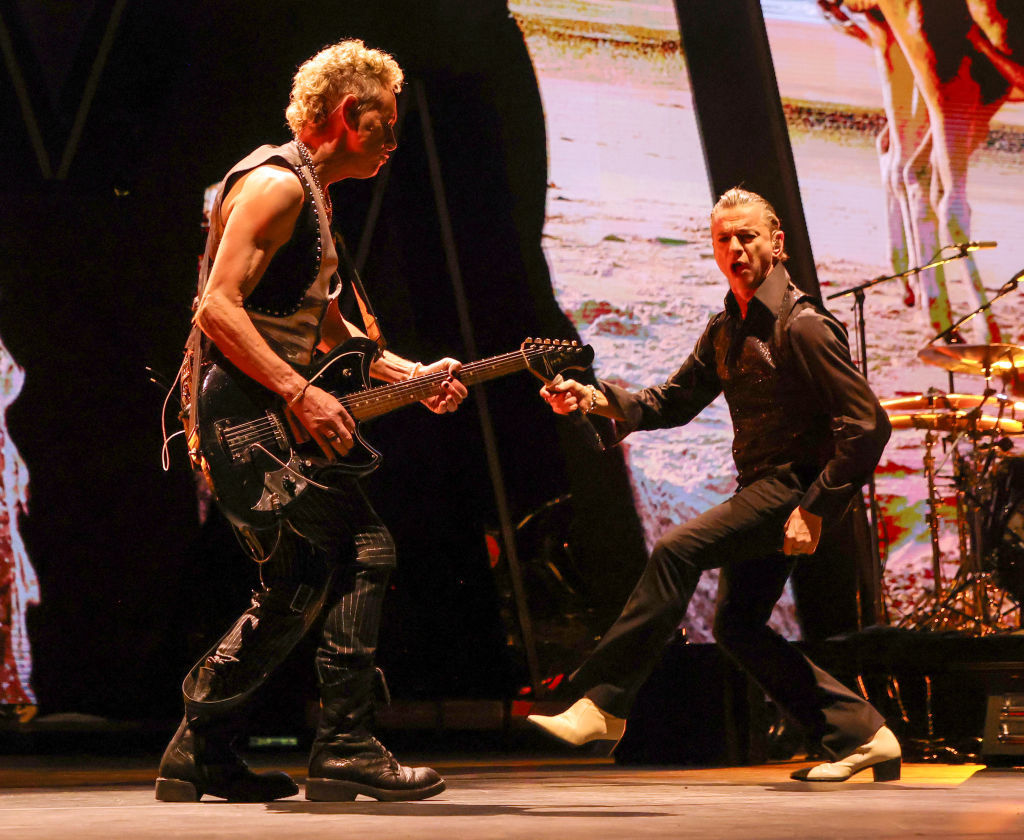
Depeche Mode, those sultry synth-pop kings, last night proved at the O2 they ooze with battle-damaged sex appeal more than ever.
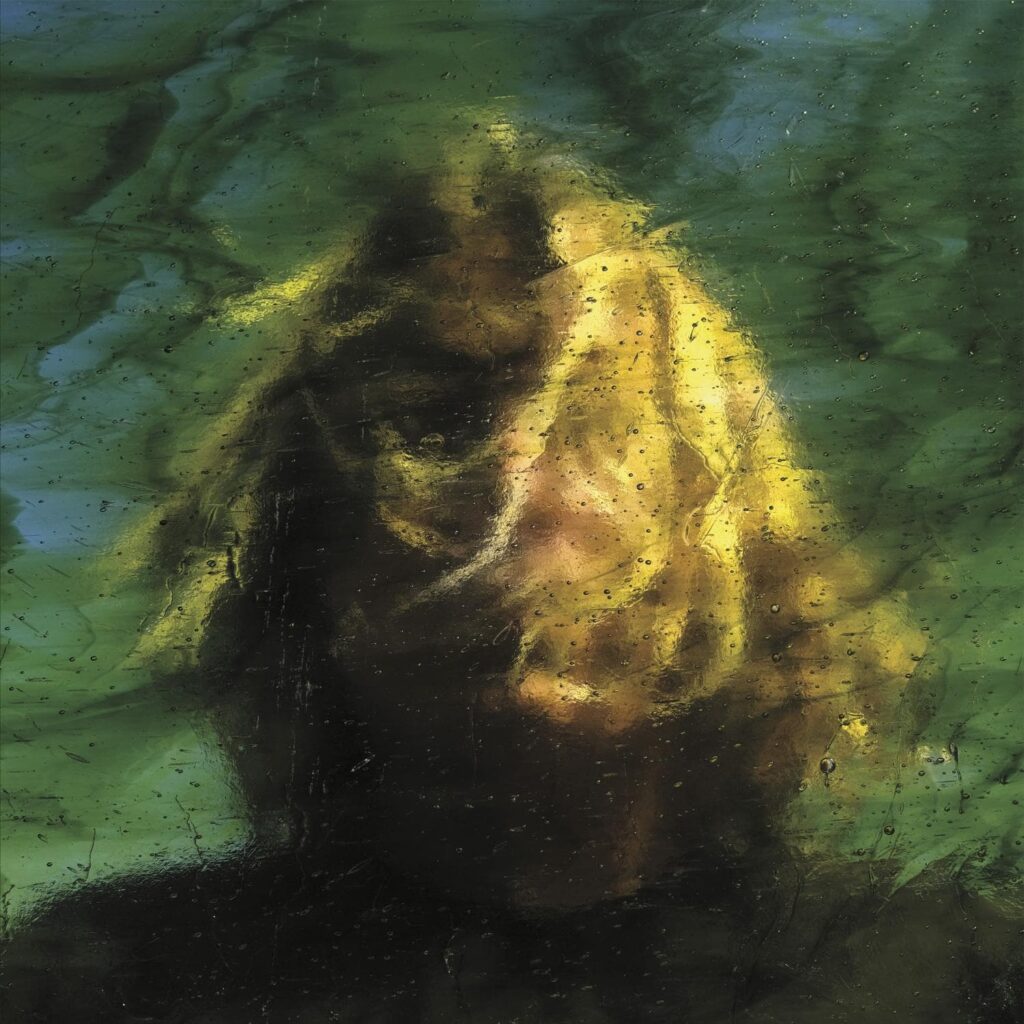
It’s often advised that when dabbling with LSD you should avoid gazing into the mirror at yourself at all costs, as not to uncover hidden truths or f...
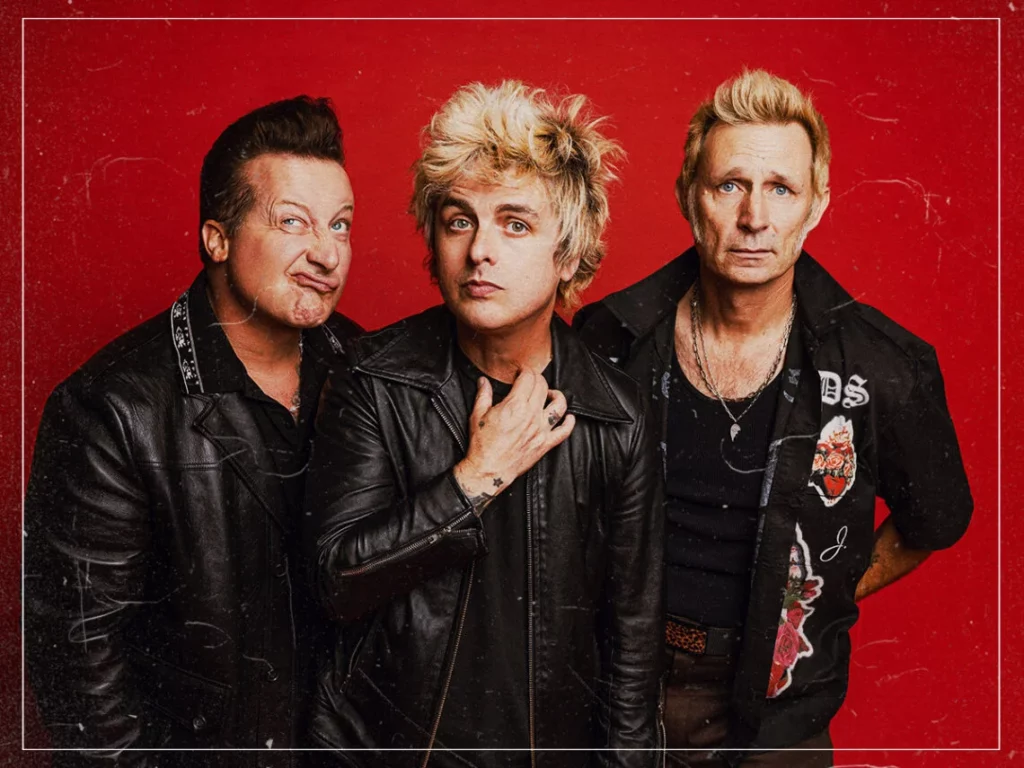
Green Day acknowledge a world ransacked by billionaires and corporations on album number 14, but don’t let late-stage capitalism mellow their good-time anthems.
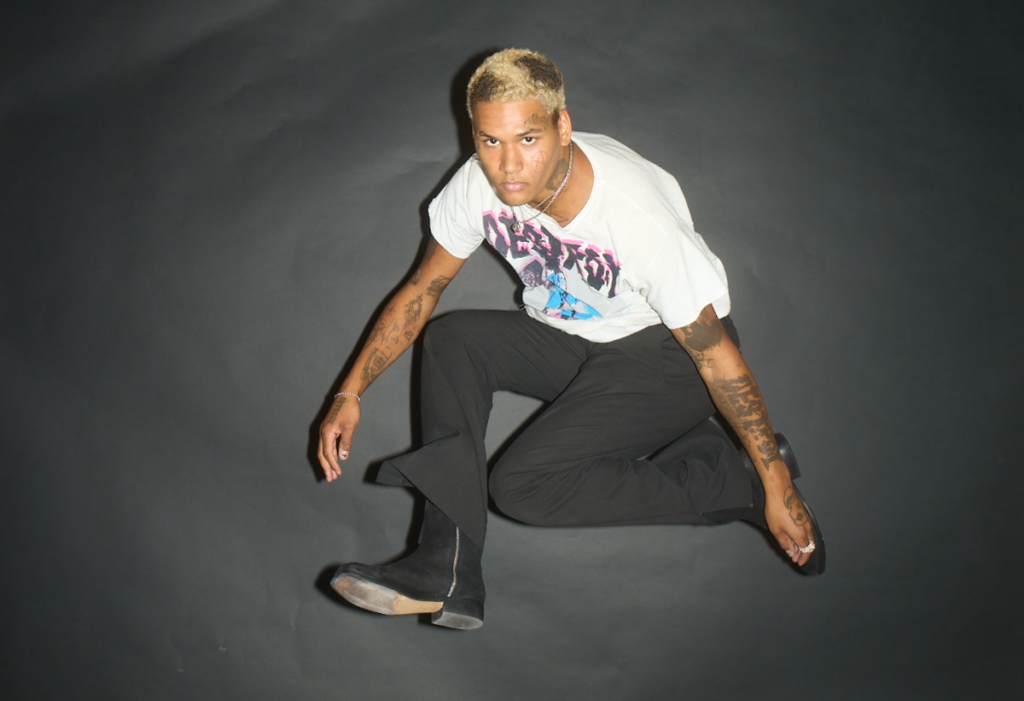
On his second album, Ekkstacy merges post-punk, surf-rock, and SoundCloud rap, navigating life's pains with a nihilistic edge.

"Unknown T holds his own alongside Knucks, one of the best contemporary rappers in the scene right now."
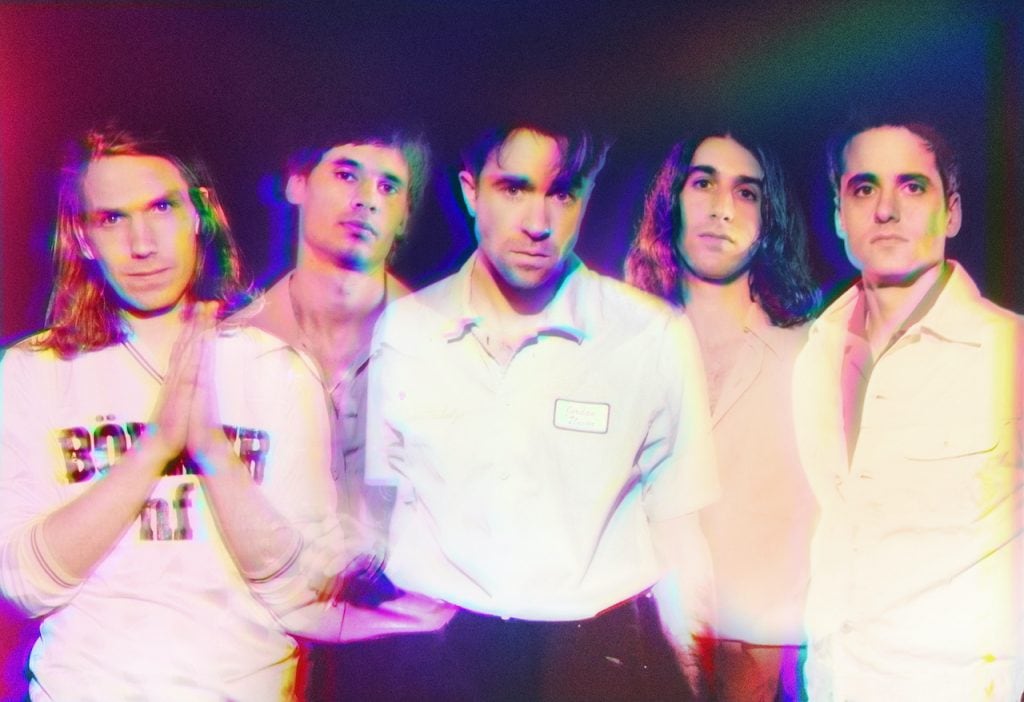
"It’s hard to escape the nagging sense that The Vaccines’ febrile, firecracker indie is either showing its age."
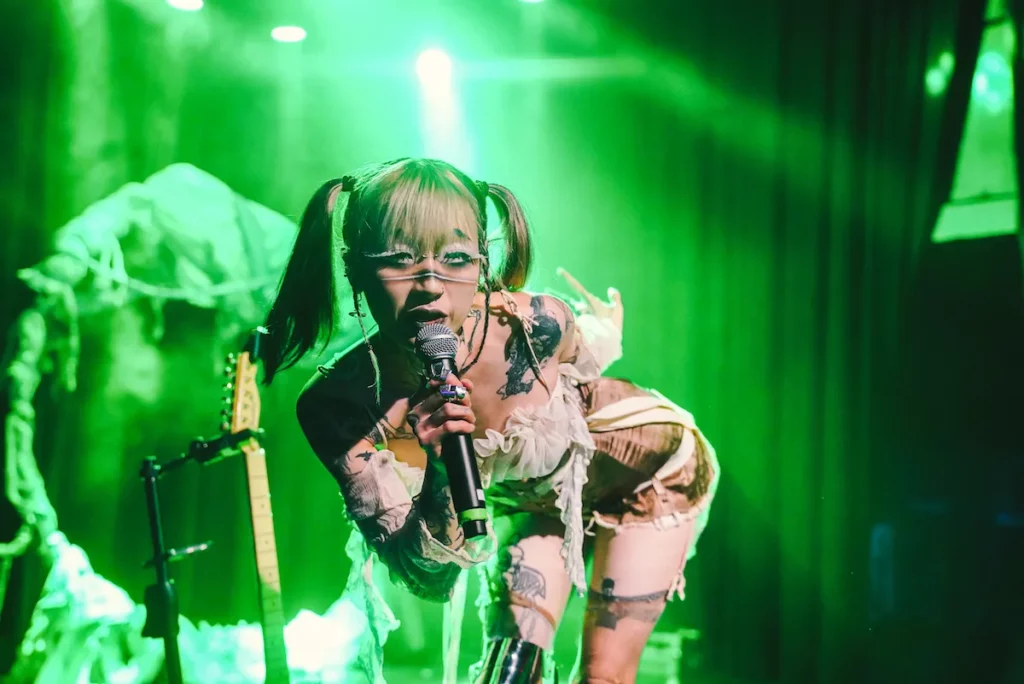
Singaporean cyber-shoegazer Yeule plugs London’s digital Outernet district into a dystopian psychodrama.
An agreeable listen, but it lacks character and flavour.
Unknown T took to the stage at London’s KOKO to mark the announcement of his debut album, Blood Diamond. Find our review of the gig below.
