
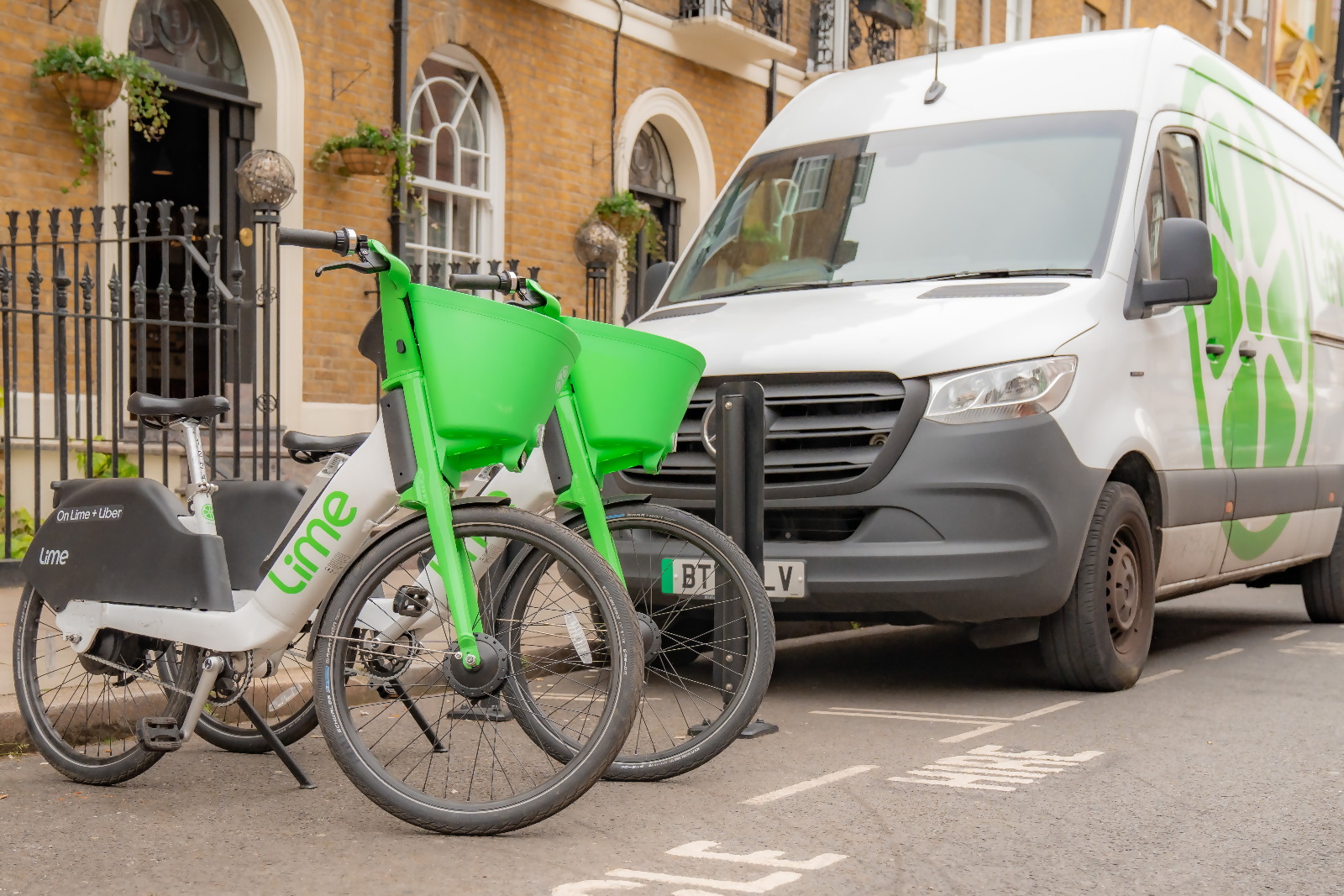
Recently, I was surprised to discover that I’ve cycled significantly further than London to Paris (as the crow flies) on Lime e-bikes. My total mileage – 279 of them, to be exact – is admittedly spread out over the last year and a half, the result of short, incremental journeys (typically to or from a pub) rather than any extended, cross-channel efforts.
I was further surprised to find that my distance is not particularly impressive. When surveying folk over the last week, my 279 well-earned miles scored above average but were broadly par for the course among Lime users. The real, noteworthy, motorised Tour de Force belongs to a friend of mine, who, remarkably, has accumulated a figure just shy of the 1,000-mile mark.
Forget London to Paris; he’s on the verge of cycling all the way to Sarajevo on Lime e-bikes.
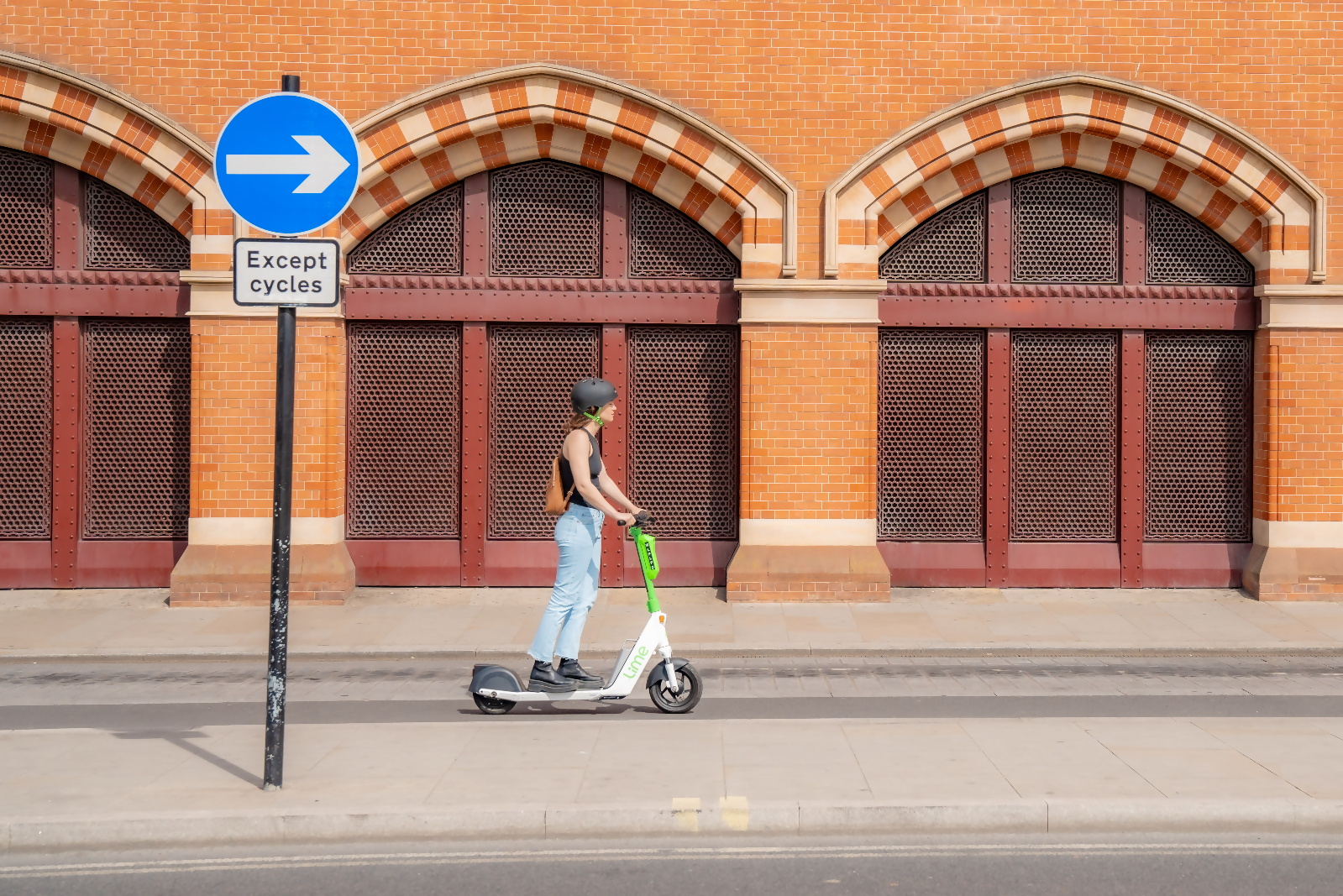
Credit: Lime and Josh Edgoose
Still, even between us, we are but drops in London’s Lime-y ocean. Since the company’s vehicles arrived here, riders have taken over seven million e-bike and e-scooter rides. That number will continue to rise, the speed likely accelerating, as boroughs across the city welcome Lime’s services as part of their “ambitious active travel and sustainability plans.”
Sensing the opportunity, Lime is spending heavily in London. Last year alone, the company invested £26 million into their operation in the UK capital. You can see where the money’s gone. Expanding their fleet, you now rarely find yourself more than five minutes from an electric journey from A to B, green and white stallions of the 21st century.
This is great as a Lime customer. As a pedestrian, not so much. The sheer volume of Lime e-bikes and e-scooters scattered across the city makes them impossible to ignore, leaving plenty of Londoners rather perturbed. Last November, Wandsworth Council began seizing all Lime e-bikes that were obstructing pavements in the area. After warning Lime in a letter and meeting with representatives a week prior, Council Leader Simon Hogg gave the go-ahead for the council to start impounding bikes.
Speaking at the time, Hogg said: “We hope that our action spells out our determination to tackle this issue and sends a strong message that Lime must make sure their bikes are parked responsibly in our borough.”
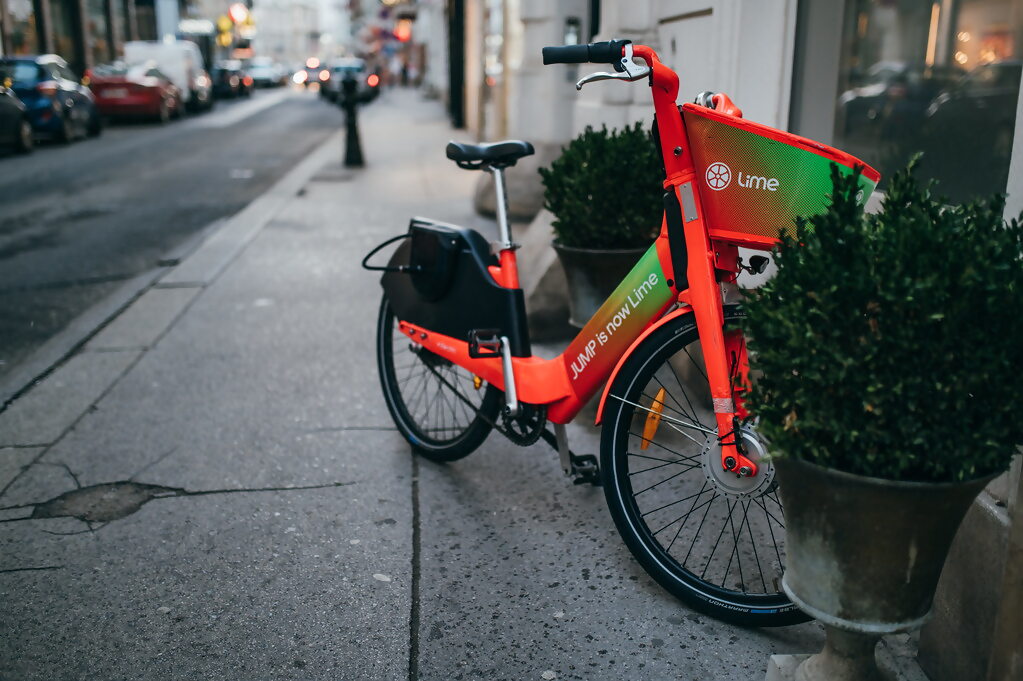
Lime e-bikes have had a redesign as of late. Seen above: the old, red stallions of yesteryear.
Wandsworth is not the only Borough where frustration with the bikes is growing, and it’s a similar sentiment online. Lime scored just 1.5 stars on the review site TrustPilot, with the majority of accounts lambasting the way the bikes are strewn across the city. In one review, a user going by Jonathan Weissbart, called Lime “a failed experiment.”
“If I could, I would put zero stars,” he wrote. “Bikes left all over. Walking on the street has become an obstacle course and very dangerous, especially for people with mobility problems as well as blind and partially sighted people and people pushing buggies. The sooner we get rid of them, the better.
READ: The True Story Behind London’s Worst Restaurant
On December 30 2022, somebody called ‘theLITTLEprince’ described Lime as a “menace to London” and said, “illegal parking is the norm for the riders.” The review continued: “Bikes are littering our streets, pavements and parks – no better than fly-tipping bags of rubbish. The company does NOTHING to stop this and hardly even picks up the bikes anymore. In my area (W10 Kensal Rise) they are left blocking zebra crossings and even the entrance to our building.”
When we reached out to Lime, they described clearing wrongly parked bikes as “a priority”. They noted that the issue was of particular importance for those with access needs, making a clear promise that “any damaged or inappropriately parked vehicles reported to us via our app, or support@li.me will be collected by our local operations team within 24 hours of being notified.”
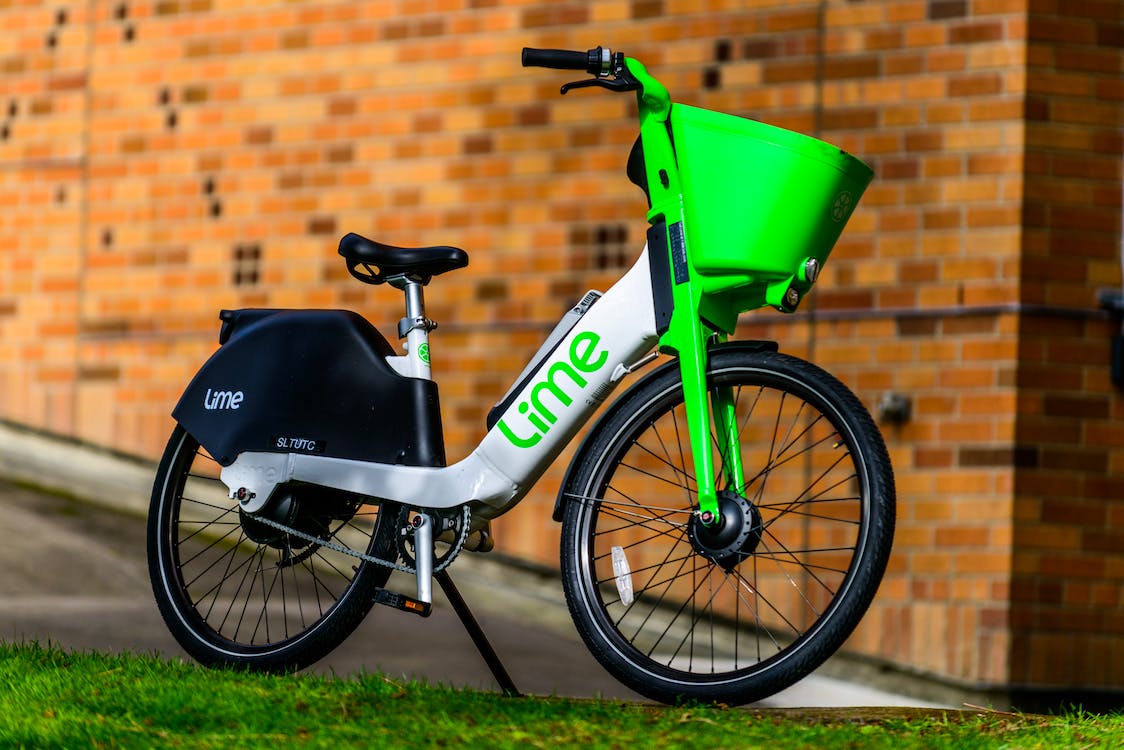
Mentioning other measures the company has taken to combat the issue, Lime cited “GPS-based no parking zones, mandatory end trip photos to help review rider parking, an enhanced system of rider education, warnings, fines and bans, and a 50% increase in our on-the-ground team to help retrieve obstructive vehicles even faster.”
It’s clear that Lime takes the issue seriously. What remains to be seen is if this issue is, in fact, inherent to their business plan or if it is actually solvable. Relying on the customers to park the bikes respectfully, and then again on Lime users to report them, is asking a lot. No matter how many people Lime has on the ground, they will never be able to monitor it fully nor guarantee that the job will be done effectively.
For all this conversation around parking e-bikes, that’s just when they’re standing still. I haven’t dared mention the moments – increasingly frequent in number – when you’re walking down the pavement and suddenly come face to face with a cavalry of teenage joy-riders, riding towards you with a speed and fearlessness befitting of war itself. Even I, in my endless maturity and unwavering respect for the laws of the land, will admit to, on occasion, whizzing across roads with an utter disregard for my safety or those around me.
Lime are not to blame for misuse of their vehicles, of course, but it necessitates another sweeping question that strikes at the core of the company’s existence here: do public, motorised vehicles belong in a city like London? Further, should they be free to roam the roads, riders coming away from most incidents without any personal consequence?
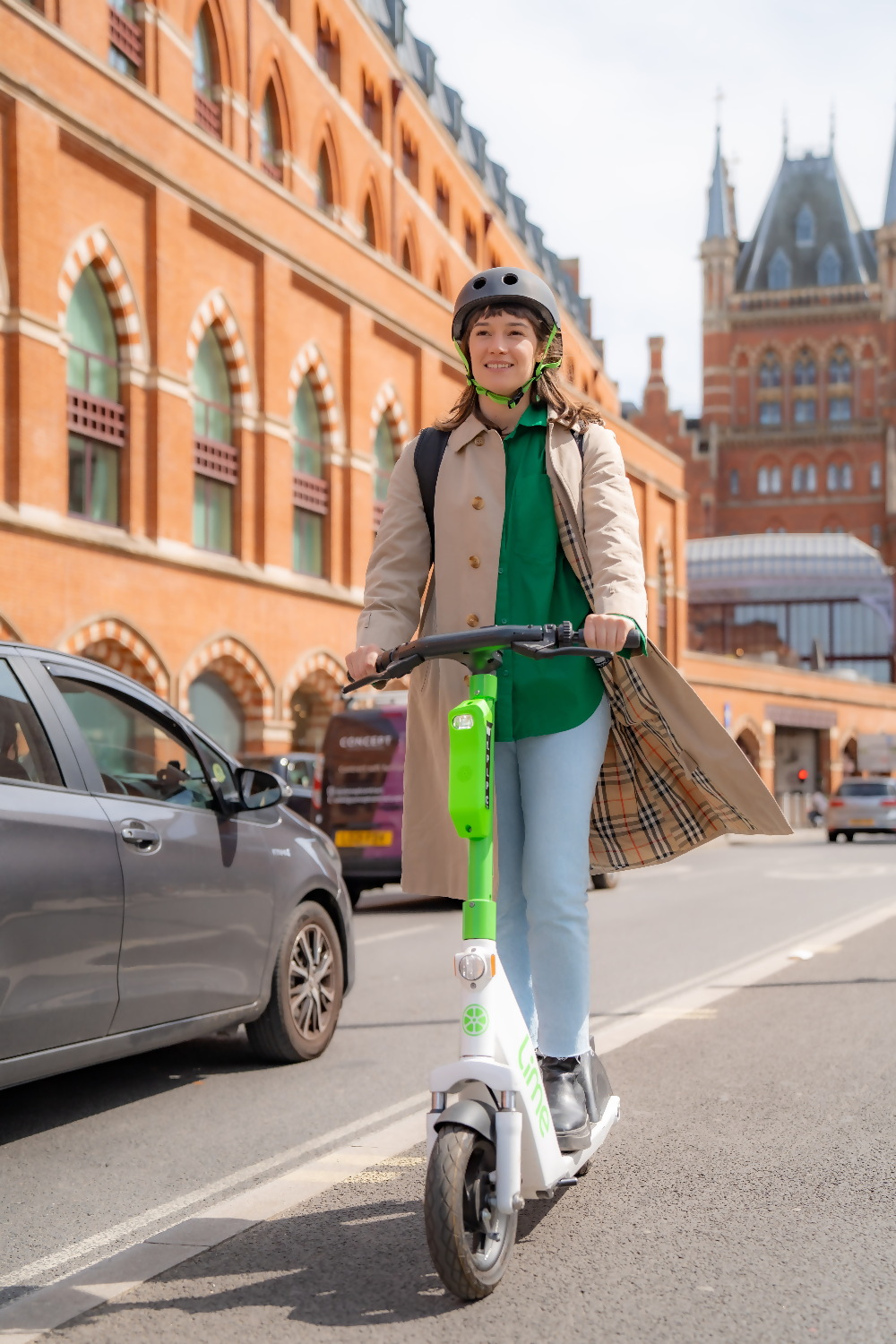
One impossibly well-behaved customer on a Lime e-scooter. Credit: Lime and Josh Edgoose
The heavy investment has understandably led to a rise in Lime’s prices. The company’s typical business model dictates that you pay £1 to unlock the vehicle and then a fixed rate per minute while using it, with that rate per minute climbing steadily over the last 18 months, now at £0.23 p/m.
It’s a clever system that means you never have to fully consider the expenditure. I can celebrate the 279 miles I’ve cycled, knowing they’ve ticked by at decent expense, but I never have to encounter the grand total that would potentially dissuade me from using Lime bikes as frequently as I do.
“There may be some small fluctuations in price as a result of external factors,” Lime told whynow, “but we’re doing all we can to keep prices low as we know how many Londoners rely on us to get around.”
READ: whynow’s Top 100 Albums of 2022!
Lime also highlighted the alternative packages and schemes in place to allow users to cut costs.
“We have our Lime Access scheme to support key workers, lower income users and students with 50% off e-bike and e-scooter rides. On top of that, we have some great deals with our Lime passes in-app, which we recommend for regular riders as a great way to save on costs. There are pre-purchased 60, 120 or 290 minute bundles that can be used within 3 days, and span multiple journeys.”
Despite frustration with the bikes and the rising costs, Lime still seems to be very much on the up. In 2023, “you can expect to see Lime continuing to expand into more Boroughs to bring you more [vehicles],” the company explains. As part of their community efforts, there will be more free helmet giveaways and pop-up events.
Perhaps the most interesting development, however, will come outside of London. In 2023, Lime will launch its latest Gen4 e-bike in Nottingham and Derby this Spring. Widening the scope of Lime’s presence also means widening the debate around Lime’s presence.